III.Sky Lanterns in Pingxi (Ping / 平 / flat; Xi / 溪 /stream)
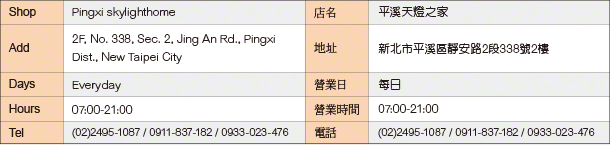
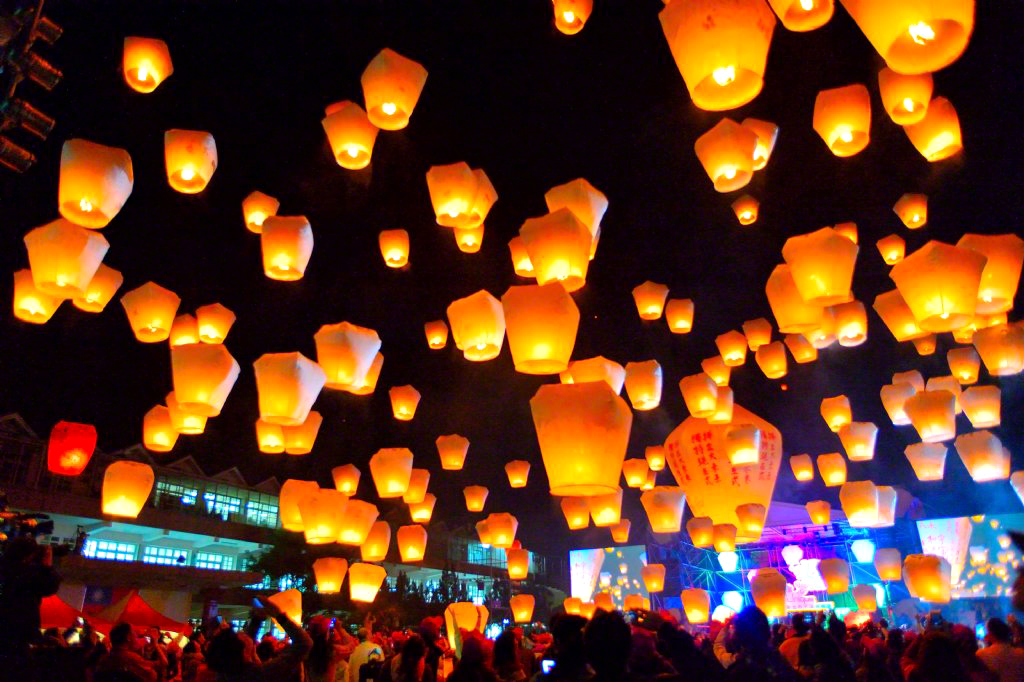
Bring home hand-made sky lanterns from Pingxi. Though the Lantern Festival is celebrated in Chinese cultures across the world every year (2016-Feb. 22nd; 2017-Feb. 11th), the crafting of lanterns has been raised to an art form in Pingxi due to the history of the loamy farming area. According to legend, centuries ago, in the Qingdynasty era, Pingxi was regularly raided as soon as their lush harvests had been brought in. Unable to get protection from the central government, villagers decided to slip into the mountain forests with their harvest, staying for days. Finding villages abandoned, the thieves moved on. Descending back to their homes, the people of Pingxi released sky lanterns to show the central government that they were safe. Today, you’ll find all sorts of unique sky lanters, to fly and to take home. Get to Pingxi – yearround and ESPECIALLY during their celebration of the Lantern Festival: 2016: Feb. 11th ~ 22nd; 2017 Jan. 31st ~ Feb. 11th.
Stretching back over 200 years, Yingge (Ying / 鶯 / oriole; Ge / 歌 / song) Township is known for its characteristic style of pottery. Go to Yingge to get something good! You’ll even find shops where they’ll let you make your own!
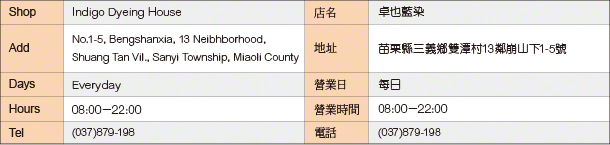
Indigo – the deep blue dye – is one of history’s cross-cultural winners. From the ancient Egyptians to the ancient Hakka people of Taiwan, indigo has been extracted from the wild bluegrass that grow around the world. Indigo has a long history in Taiwan, too: through the 17 and 1800s the dye was one of Taiwan’s main exports. Then, in the 1890s, synthetic indigo became commercially viable. With that, much of the knowledge of how to extract indigo and dye fabrics by hand was lost. A flame of knowledge almost went out. But, an ember was kept alive among the Hakka people of Sanxia(San / 三 / three; Xia / 峽 / valley) in New Taipei City, Sanyi(San / 三 / three; Yi / 義 / righteous) in Miaoli County and Meinong(Mei / 美 / beautiful; Nong / 濃 / dense / rich ) in Kaohsiung City. That light is burning again. Bring back a rare treasure: naturally dyed indigo cloth. Put the blue back in bluegrass when you visit Sanxia.
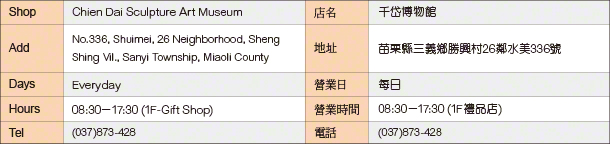
San Yi (San / 三 / three; Yi / 義 / righteous) is in the ruggedly mountainous county of Miaoli, covered in vast stands of soft camphor trees. The soft wood delicious to insects. Villagers would find trees in the forests left carved in amazing shapes. For centuries local artisans have used camphor as their medium, too.
Taiwan Rose stone (Rose / 玫瑰 / Mei Guei; Stone / 石 / Shih) can be found in Taiwan only in eastern Taiwan, quarried just from around three streams, the San Zan, the Mu Gua and the Li Wu. Taiwan Rose Stone from Taiwan is famous throughout Asia for the naturally created designs which seem to resemble so much classical Chinese landscape paintings.
One of the most important tools for Chinese calligraphy is the ink stone. Pouring down from the He Huan (He / 合 / gather; Huan / 歡 / joy) Mountains the Lo (Lo / 螺 / spiral shell) River, famous worldwide for the quality of the stones found in its waters. Black, dark green, red, brown, grey – some even striped. A Lo Riverink stonewill be definitely one of the best things you can get only in Taiwan.
Widely considered the world’s best brand of bicycle, this may test your luggage weight if you’re thinking of sending one back home! But, you can certainly enjoy a Giant bike while you’re here! Giant was founded in 1975 by Liu Chin Biao.
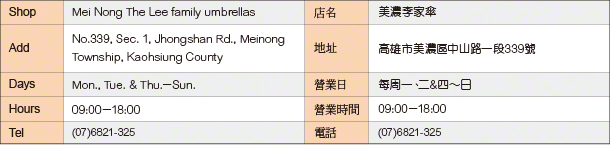
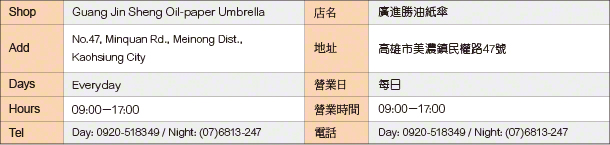
Easy to bring home and epically beautiful, nothing says “Taiwan” more than hand-made Oil paper umbrellas from Mei Nong in Kaohsiung. Attached to bamboo frames and hand-painted, these umbrellas are famously made by the Hakka people of Mei Nong who bring centuries of experience to the craft. Your house will sparkle with one opened, placed in the corner of the living room.
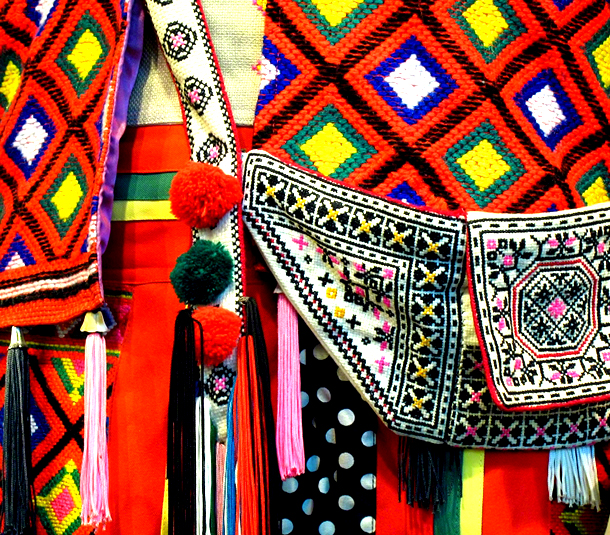
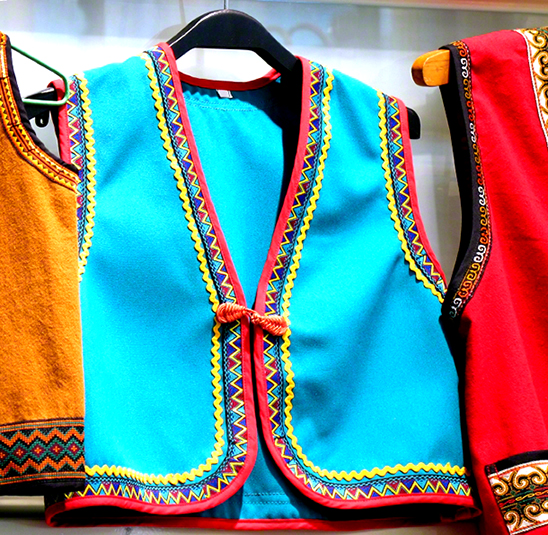 With nearly 30 tribes, 14 languages and thousands of years of culture there’s no end to the kinds of original, completely one-of-a-kind Taiwan gifts you can get for people back home.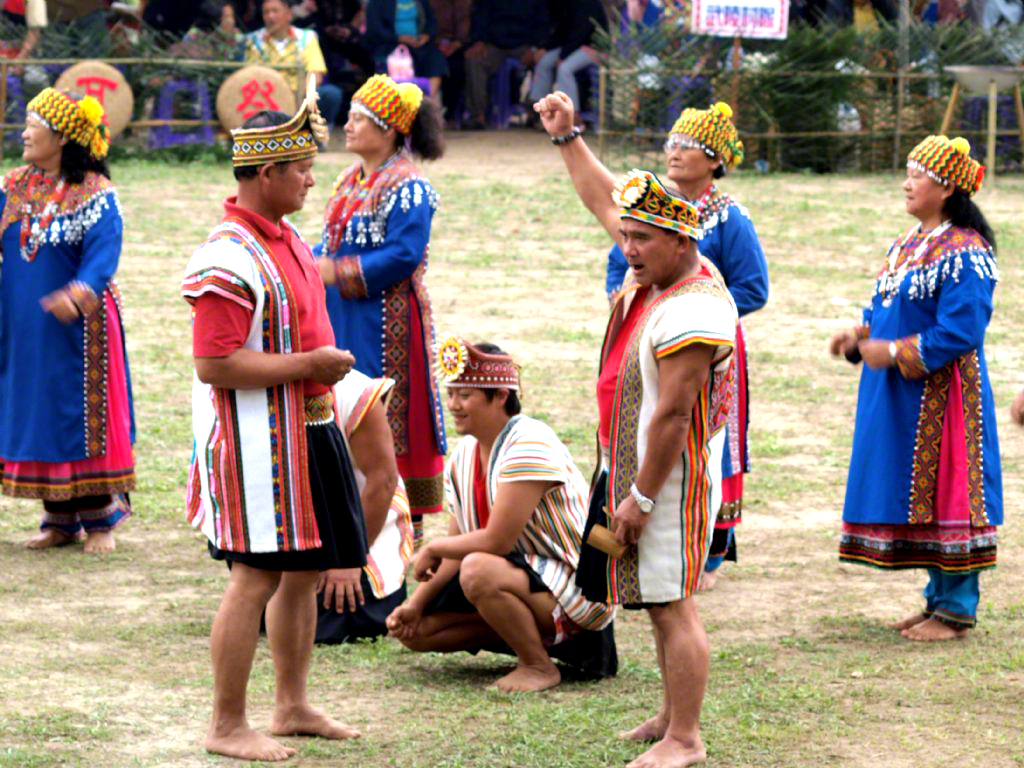
 Bring home hand-made sky lanterns from Pingxi. Though the Lantern Festival is celebrated in Chinese cultures across the world every year (2016-Feb. 22nd; 2017-Feb. 11th), the crafting of lanterns has been raised to an art form in Pingxi due to the history of the loamy farming area. According to legend, centuries ago, in the Qingdynasty era, Pingxi was regularly raided as soon as their lush harvests had been brought in. Unable to get protection from the central government, villagers decided to slip into the mountain forests with their harvest, staying for days. Finding villages abandoned, the thieves moved on. Descending back to their homes, the people of Pingxi released sky lanterns to show the central government that they were safe. Today, you’ll find all sorts of unique sky lanters, to fly and to take home. Get to Pingxi – yearround and ESPECIALLY during their celebration of the Lantern Festival: 2016: Feb. 11th ~ 22nd; 2017 Jan. 31st ~ Feb. 11th.
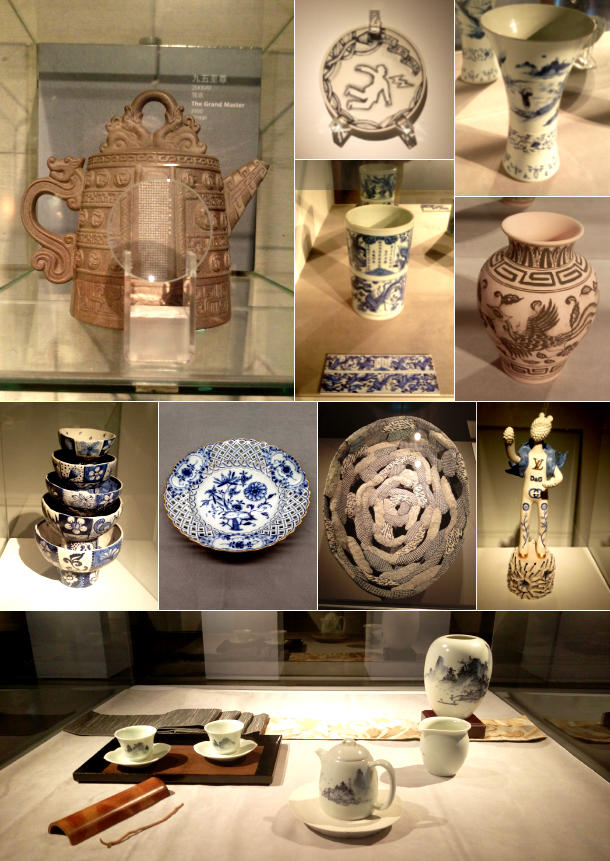 Stretching back over 200 years, Yingge (Ying / 鶯 / oriole; Ge / 歌 / song) Township is known for its characteristic style of pottery. Go to Yingge to get something good! You’ll even find shops where they’ll let you make your own!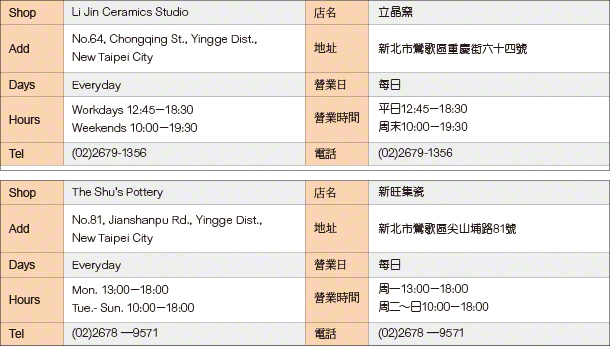
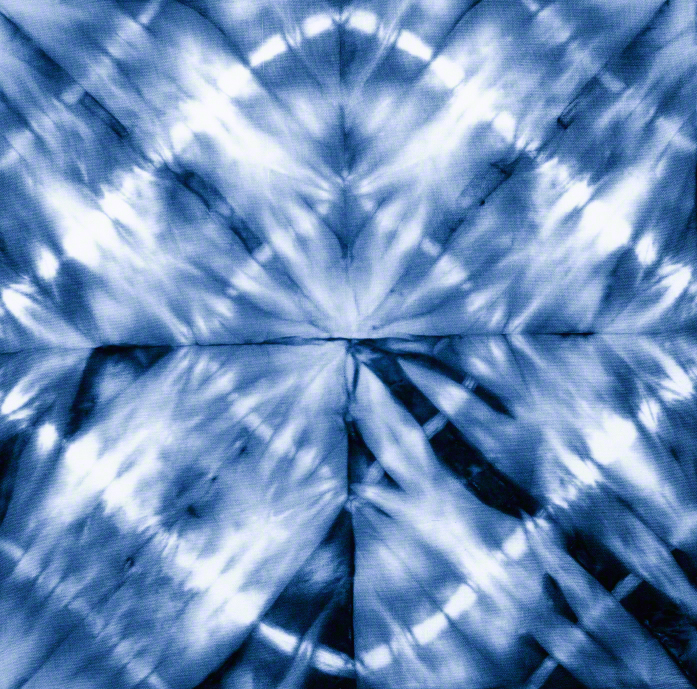 Indigo – the deep blue dye – is one of history’s cross-cultural winners. From the ancient Egyptians to the ancient Hakka people of Taiwan, indigo has been extracted from the wild bluegrass that grow around the world. Indigo has a long history in Taiwan, too: through the 17 and 1800s the dye was one of Taiwan’s main exports. Then, in the 1890s, synthetic indigo became commercially viable. With that, much of the knowledge of how to extract indigo and dye fabrics by hand was lost. A flame of knowledge almost went out. But, an ember was kept alive among the Hakka people of Sanxia(San / 三 / three; Xia / 峽 / valley) in New Taipei City, Sanyi(San / 三 / three; Yi / 義 / righteous) in Miaoli County and Meinong(Mei / 美 / beautiful; Nong / 濃 / dense / rich ) in Kaohsiung City. That light is burning again. Bring back a rare treasure: naturally dyed indigo cloth. Put the blue back in bluegrass when you visit Sanxia.
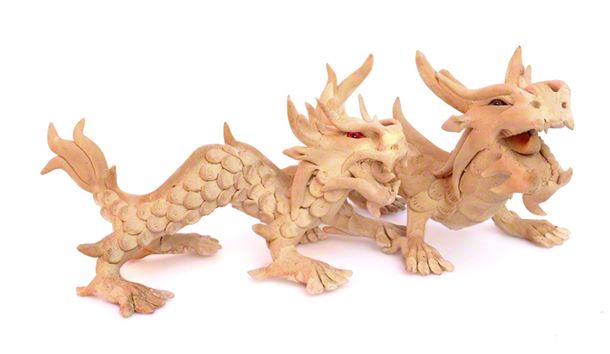 San Yi (San / 三 / three; Yi / 義 / righteous) is in the ruggedly mountainous county of Miaoli, covered in vast stands of soft camphor trees. The soft wood delicious to insects. Villagers would find trees in the forests left carved in amazing shapes. For centuries local artisans have used camphor as their medium, too.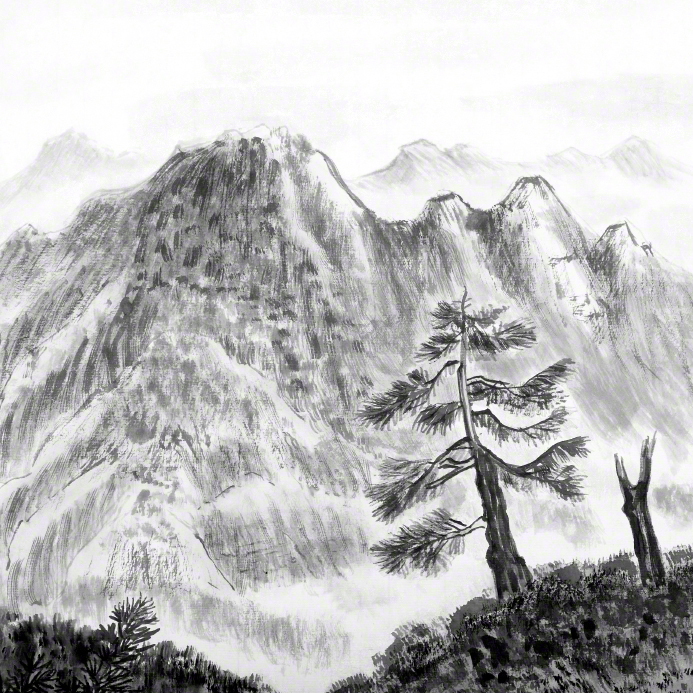
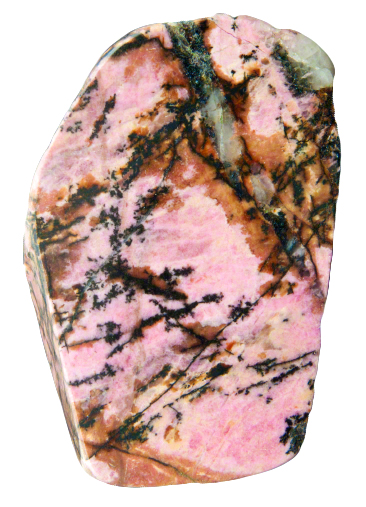 Taiwan Rose stone (Rose / 玫瑰 / Mei Guei; Stone / 石 / Shih) can be found in Taiwan only in eastern Taiwan, quarried just from around three streams, the San Zan, the Mu Gua and the Li Wu. Taiwan Rose Stone from Taiwan is famous throughout Asia for the naturally created designs which seem to resemble so much classical Chinese landscape paintings.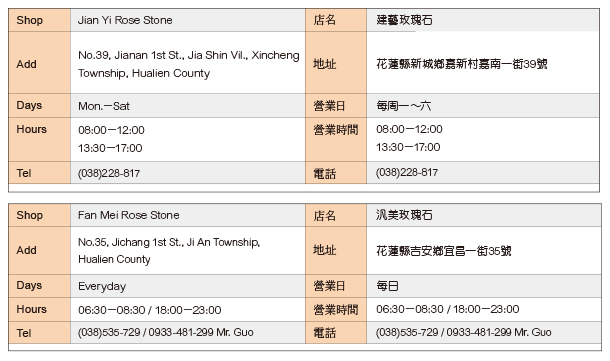
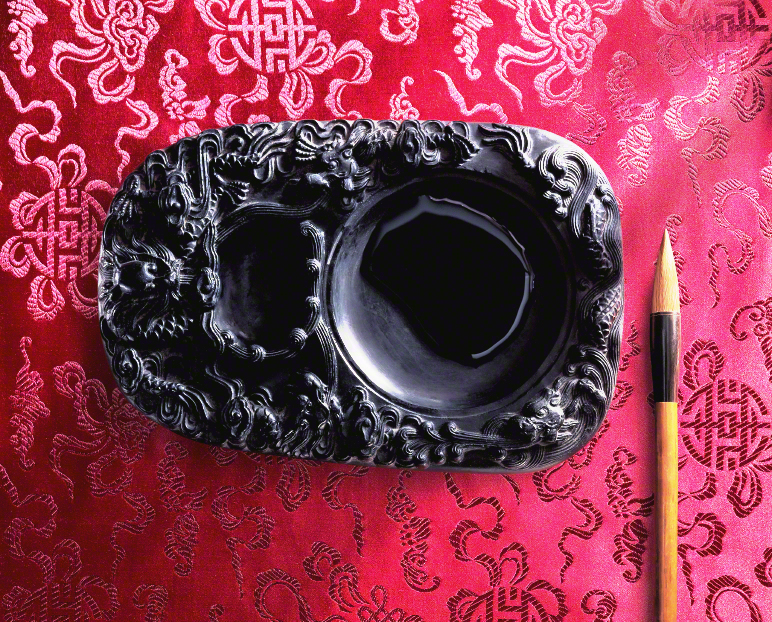 One of the most important tools for Chinese calligraphy is the ink stone. Pouring down from the He Huan (He / 合 / gather; Huan / 歡 / joy) Mountains the Lo (Lo / 螺 / spiral shell) River, famous worldwide for the quality of the stones found in its waters. Black, dark green, red, brown, grey – some even striped. A Lo River ink stonewill be definitely one of the best things you can get only in Taiwan.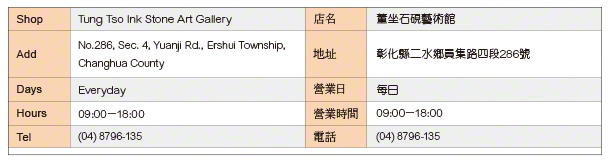
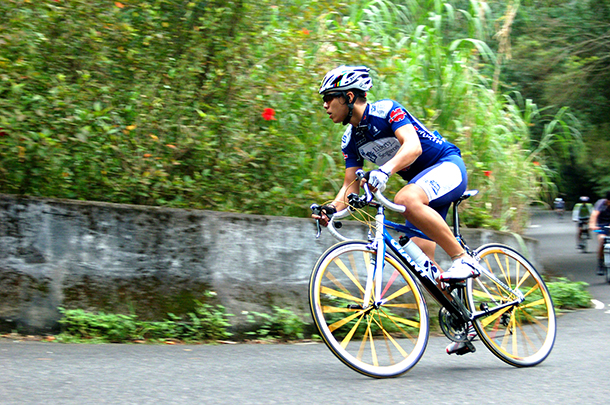 Widely considered the world’s best brand of bicycle, this may test your luggage weight if you’re thinking of sending one back home! But, you can certainly enjoy a Giant bike while you’re here! Giant was founded in 1975 by Liu Chin Biao.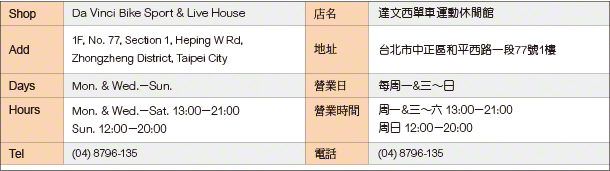
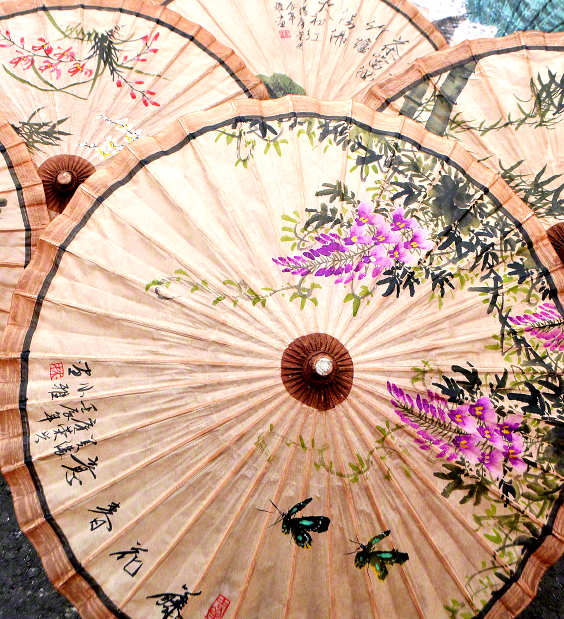 Easy to bring home and epically beautiful, nothing says “Taiwan” more than hand-made Oil paper umbrellas from Mei Nong in Kaohsiung. Attached to bamboo frames and hand-painted, these umbrellas are famously made by the Hakka people of Mei Nong who bring centuries of experience to the craft. Your house will sparkle with one opened, placed in the corner of the living room.